

Trash Talking Pt. 2
In Part 1, we talked about what we find buried on our sites, and why daily “trash talking'“ isn't just good housekeeping, it's how we respect the land we're working on. Today we're getting into the refuse that can't just go in a dumpster, aka what happens when the trash is more serious than a vintage Comet bottle.
Keeping the site clean, day after day
A clean construction site doesn't happen at the end of a project. It happens every single day, after every lunch banana, after every wall that’s raised, and in every small decision made by every person on the crew.
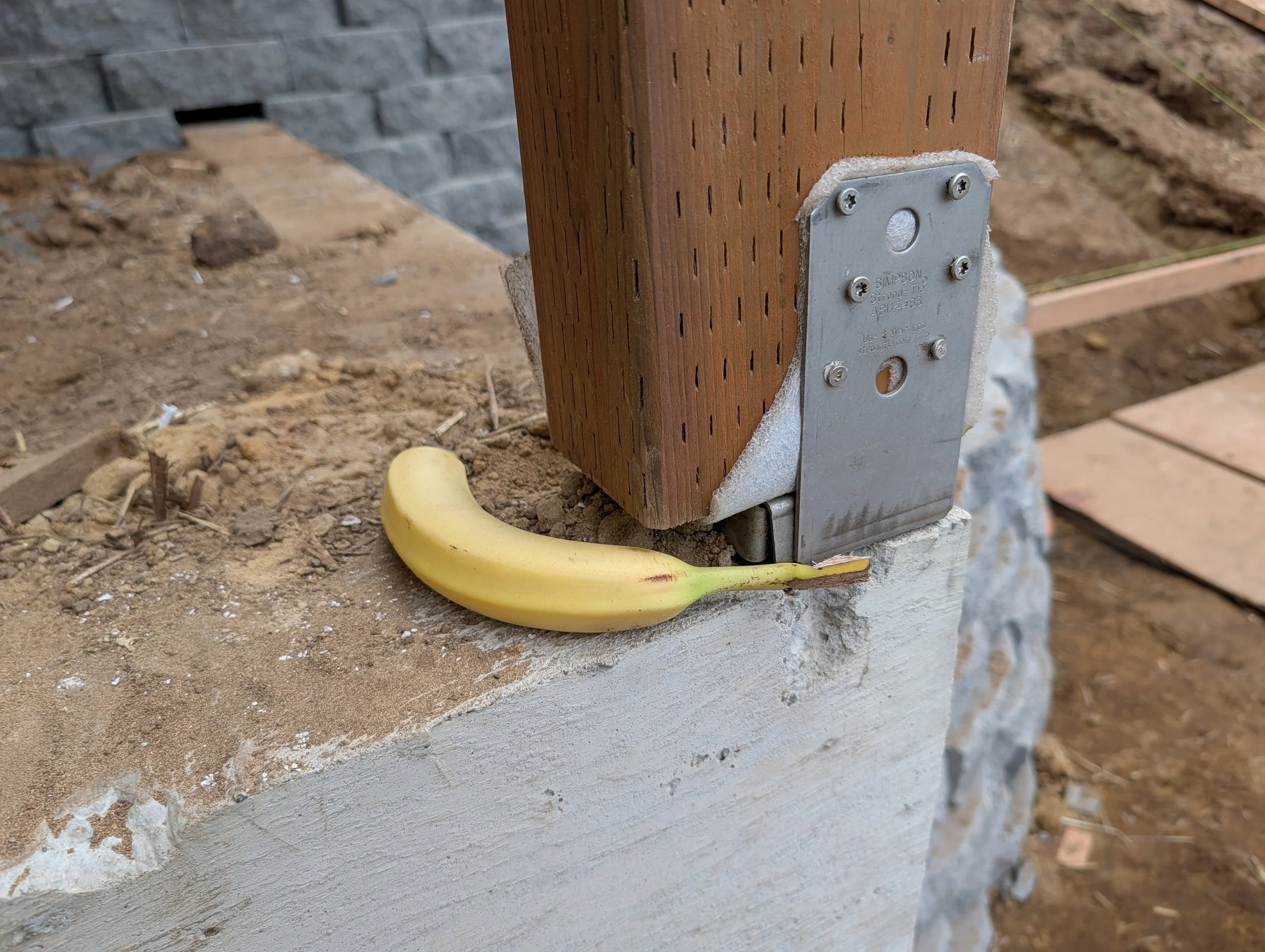
Loose nails, plastic wrapping, zip ties, foam scraps, all the stuff that accumulates fast when a build is moving quickly, all of it has somewhere to go besides the ground. We do daily site walks to hand-collect what's landed in the dirt, because what gets left behind during construction tends to stay behind. Microplastics from packaging and sheeting can break down into the soil. Nails can migrate and find the nearest car tire. Metal scraps can, and will, find an exposed piece of tender skin. And while none of it feels like a big deal in the moment, every little piece of building ephemera compounds over time in ways that outlast any single building.
We build for people who will grow gardens in these yards. Who will let their kids run barefoot. Who, a hundred years from now, will be digging for their own buried treasure, and probably not hoping to find our screws.
So we pick things up. Every day, on every site. Because it makes a difference.
The stuff that needs a professional
Daily cleanup handles the ordinary debris. But construction also generates materials that require more than a trip to the dumpster.
Paints and solvents. Adhesives. Treated lumber scraps. For renovation projects, this includes fluorescent bulbs, batteries, mastic vinyl from the 1970’s. Anything that came in a container with a hazard symbol on it, and some building materials professionals know how to look for any identify ( think: asbestos, lead, etc.)- these don't belong in general waste, and no do they don't belong in the ground. Improper disposal of hazardous construction materials can contaminate soil and groundwater, sometimes for generations.
The good news is that Oregon has solid infrastructure for handling this hazardous waste correctly. Most counties operate hazardous waste drop-off programs, and many transfer stations have dedicated lanes or scheduled events for contractors bringing in regulated materials. It's worth a phone call before you assume something can go in the general bin.
We'd encourage any homeowner, contractor, or DIYer to check in with their local transfer station and ask how they sort and process their incoming loads. You might be surprised how thoughtfully it's handled on the back end, and how much easier it is to do your part when you know what happens next.
Why it matters beyond the build
Construction sites are temporary. The land underneath them is not.
Everything that gets left in the soil during a build, whether intentionally buried or just lost in the shuffle, becomes part of that site's story. We think about that a lot. Not just because it's the right thing to do, but because the people who come after us deserve a clean start. Whether that's the family moving in next spring, or whoever's breaking ground on this same parcel in a hundred years.
Good trash habits aren't glamorous. But they're one of the clearest signals of how a builder actually feels about the community they're working in.
We take that seriously. One scrap at a time.
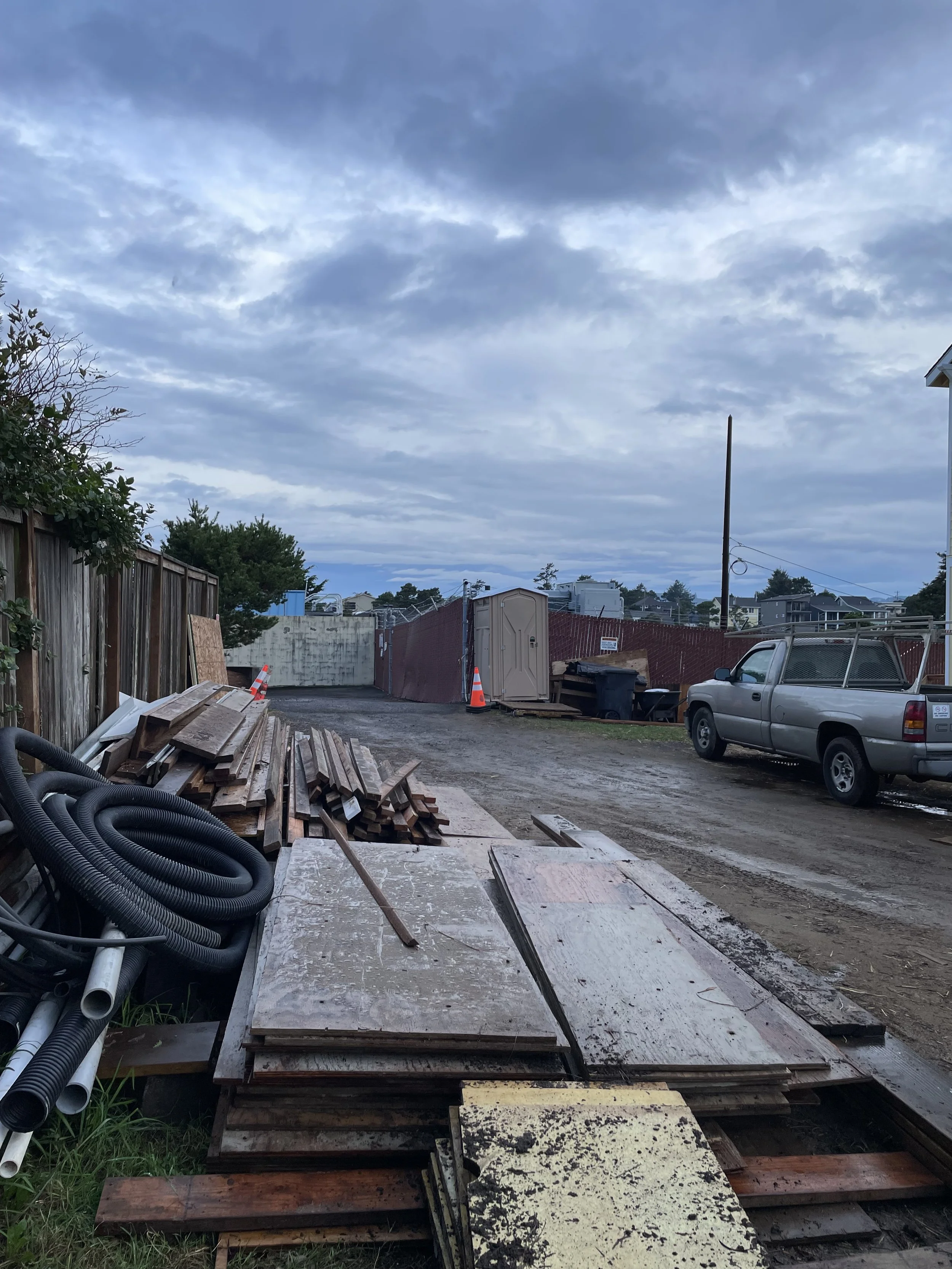
A well organized trash pile on one of our Newport sites helps us reuse the materials we can, and responsible dispose of the materials we can’t.
